Cookie Policy
This website uses cookies to improve your experience. We'll assume you're ok with this, but you can opt-out if you wish. Read More
A breach notification triggers volume that no in-house team can absorb. Etech has run breach response programs including Kroll. Trauma-informed call handling. HIPAA-clean operations for healthcare data breaches. QEval on 100% of interactions from hour one. Agents trained on identity restoration protocols, not just symptom capture.

What breach response buyers actually tell us
A breach notification drops and volume exceeds in-house capacity within hours. Every call is a litigation touchpoint. Every agent statement is discoverable. Organizations do not need someone to handle the call. They need a trauma-informed, documentation-first operation that stands up in 72 hours where every word is on the record, every case is trackable across multi-call restorations, and QA coverage is 100% from the first call taken.
Etech’s identity restoration BPO and data breach call center programs are built for this environment — where trauma-informed handling, legal-hold documentation, and 100% QEval coverage from hour one are not optional features but the operating baseline.
After a ransomware event, we have 48 hours before the press release goes out and our notification hotline starts ringing. I cannot stand up a contact center operation in 48 hours. My vendor needs to have done this before, at scale, under pressure.
CISO, Regional Healthcare System
The breach notification call is a litigation touchpoint. Every word the agent says to an affected consumer is discoverable. We need QA coverage on every call, not a 3% sample, from the first minute.
General Counsel, National Retailer
Identity restoration is a multi-step, multi-month process. Affected customers call back four, five, six times. The agent who picks up on call five needs to know the case history. That is not possible with a freshly trained surge team.
VP Customer Experience, Financial Services Firm
Building breach response capability since 2010
We have supported identity protection member services since 2010, breach response activation protocols since 2013, Kroll programs since 2016, and IDX restoration since 2019. Every evolution carries the same compliance record: zero breaches across 22 years of continuous regulated operations.
First identity protection program. Credit monitoring member services for identity protection provider.
Breach response activation protocols developed. Surge playbook and sub-vendor pre-authorization.
Kroll breach response program operations begin. HIPAA-compliant handling for healthcare breach notifications.
IDX identity restoration program support. Multi-step restoration case management and follow-up cadence.
QEval trauma-informed scoring framework deployed. Empathy and accuracy scored on 100% of breach calls.
Voice AI for enrollment status and credit monitoring activation. Human agents hold restoration and emotional escalation.
Where our breach response programs live
Every program below is live today on an identity protection provider, breach response vendor, or enterprise breach program. Agents are trained on restoration protocols, legal-hold documentation, and trauma-informed call handling. Scorecards are written to the client’s empathy, accuracy, and compliance targets.
Inbound call handling from notification drop to program close. Volume surge management across 7 global sites. HIPAA-compliant for healthcare data. PCI DSS for payment card breaches. Legal-hold documentation standards from call one.
Multi-step restoration support including fraud alert placement, credit freeze, dispute letter drafting guidance, and government ID replacement routing. Case continuity across multiple calls.
Enrollment in complimentary credit monitoring, alert explanation, and score inquiry. Multi-bureau monitoring support. Activation within session.
Alert explanation, credential compromise guidance, password change protocols, and escalation to restoration specialists for high-severity findings.
Healthcare breach response including explanation of benefits audit, medical record review guidance, and provider notification routing. HIPAA baseline for every interaction.
Minor-specific breach response. COPPA-aware documentation. Parental verification protocols. Credit freeze guidance for minors under state law.
HR-deployed programs for breached employee data. Benefits explanation, enrollment support, and identity restoration for workforce programs.
Long-cycle member services for identity protection subscribers after the breach window closes. Renewal handling, product upgrade routing, and claims intake.
The 72-hour activation
Most breach response failures are not capacity failures. They are readiness failures. The contract terms were not pre-negotiated. The agent pool was not pre-trained. The QA rubric did not exist before the event. Etech maintains continuous readiness so the 72-hour window is an activation, not a scramble.
Phase 1
Phase 2
Phase 3
The handoff inside breach response
Voice AI handles enrollment status and credit monitoring activation. Human agents hold the identity restoration conversation, the emotional escalation, the medical identity review, and the child protection case where empathy and accuracy are non-negotiable.
Outcomes breach response clients report
Every figure below is a documented outcome from an active breach response, identity restoration, or member services program.
What breach response compliance teams actually check
Every shortlisted BPO has a SOC 2 report. The breach response buyer looks next at the HIPAA posture, the PCI violation record, the state notification law coverage, and whether quality holds when volume spikes from zero to thousands in 72 hours.
Security, availability, and confidentiality attested annually across every delivery center handling breach response programs.
Healthcare breach response with HIPAA-compliant call handling, PHI redaction, and HITECH notification protocols. No PHI stored.
Payment card breach programs with PCI-grade handling across all card-present and card-not-present breach notification workflows.
All 50 state breach notification statutes. Agent training on state-specific disclosure requirements and consumer rights language.
EU data subject breach notification for organizations with European data subjects. Consent, deletion, and statutory notification windows.
Child identity protection programs. Parental consent workflows, data minimization, and age-verification protocols for minor breach victims.
Credit reporting dispute guidance, fraud alert placement protocols, and credit freeze procedures aligned with Fair Credit Reporting Act requirements.
Information security management system aligned. Meets enterprise and identity protection provider security review thresholds.
Supplier diversity tier 1 and tier 2. Minority-owned and minority-and-women-owned business certifications current.
Twenty-two years of continuous regulated operations. Zero compliance breaches. That is the number that answers the question.
Live attestations on trust.etechgs.com →The case continuity asset nobody talks about
Identity restoration takes 60 to 90 days. Affected consumers call back four, five, six times during that window. When the agent on call five has no history with the case, the consumer re-explains the breach, the fraud, and the emotional impact from scratch. That is not a customer experience failure. It is a re-traumatization event. Under 5 percent monthly attrition is how case continuity holds across a multi-month restoration window.
Monthly attrition
Under 5%
Average agent tenure
6.3 years
Years without a compliance breach
22
QA coverage per program
100%
Case continuity
Multi-call restorations across 60 to 90 days
Empathy measurement
Trauma-informed scoring on every call
Monthly attrition
3 to 5% (30 to 45% annualized)
Average agent tenure
Under 12 months
QA coverage per program
2 to 5% sample
Case model
Single-call interaction model
Trauma protocols
No trauma-informed protocols
Quality review
Post-hoc, weekly summary reports
The handoff
Credit monitoring enrollment and status checks belong to Voice AI. Identity restoration, medical identity protection, child protection cases, and emotional escalation belong to tenured agents who carry the case across months and know the restoration protocol from memory.
Voice AI deflection benchmarks
Breach response enrollment and status intents: 22%. Healthcare breach programs: 29%. Financial services: 31%. The breach deflection rate is lower because the emotional and regulatory complexity of restoration conversations requires human judgment on the majority of calls.
100% visibility from hour one
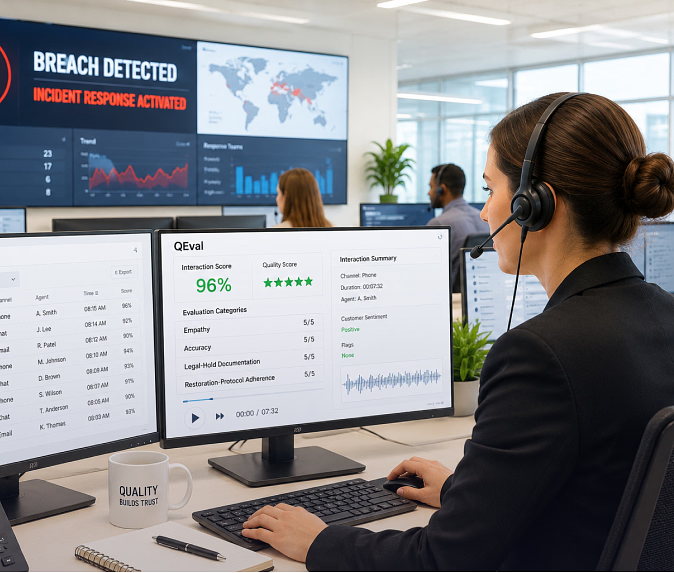
When a breach notification drops, every call is a litigation touchpoint from minute one. Sampling gaps become discovery risks. QEval reviews every call, every chat, every case interaction from the first hour. Empathy, accuracy, legal-hold documentation, and restoration-protocol adherence are scored on every interaction. Findings route to coaching within the same shift.
Trauma-informed intelligence
Every breach call scored for empathy, accuracy, legal-hold documentation, and restoration-protocol adherence. Findings route to coaching within the same shift. Not end-of-week. Not batch.
AI scoring
Every breach call scored. Sampling retires from hour one.
Empathy tracking
Trauma-informed empathy measurement on every interaction.
Case continuity
Multi-call restoration tracking across 60 to 90 day windows.
Trauma-informed scoring
Empathy, accuracy, and de-escalation scored together.
Legal-hold compliance
Documentation adherence scored on every discoverable call.
Next-best-action
CoPilot surfaces correct restoration step and escalation path.
QA score lift
QA score lift within 90 days on active breach response programs. A performance management platform.
Live breach response programs, anonymized
Healthcare ransomware. National retailer payment card compromise. Financial services identity restoration. Each program anchored to its own breach type and compliance requirements.
 Healthcare data breach, Kroll-partnered
Regional healthcare system, ransomware event, Kroll-partnered response
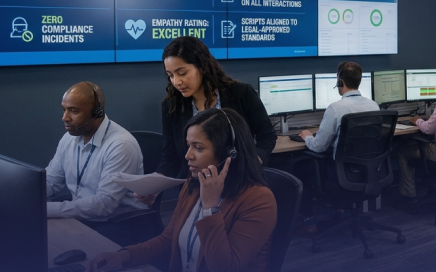
Ransomware event at a regional healthcare system triggered breach notification to 80,000 affected individuals. Etech activated within 72 hours under Kroll program management. HIPAA-compliant call handling from the first interaction. QEval scored 100 percent of calls for empathy, accuracy, and legal-hold documentation. Trauma-informed protocols active from minute one. Zero HIPAA incidents across the program lifecycle.
 National retailer payment card breach
National retailer, payment card compromise, legal-hold documentation
Payment card breach affecting 200,000 consumers. PCI DSS Level 1 handling across all notification and enrollment calls. Legal-hold documentation on every interaction. QEval scored every call for accuracy, compliance language adherence, and empathy. Agent statements aligned to legal-approved scripts. Zero compliance incidents. Zero discoverable language violations across the program.
 Financial services identity restoration
Financial services firm, IDX-partnered, multi-call case management
Identity restoration program for 45,000 affected consumers. Multi-step case management across a 90-day restoration window. IDX-partnered. Consumers called back an average of five times. Agent tenure of 6.3 years held case continuity across the full window. QEval scored every interaction for empathy, restoration-protocol adherence, and case documentation. Follow-up cadence automated. Zero case-history gaps reported by consumers.
Run. See. Build. Applied to breach response.
Most breach response vendors offer one of these. The value of the full stack lives in the handoff: breach-call findings that flow into coaching, coaching that flows into Voice AI enrollment deflection, deflection that protects tenured-agent capacity for the identity restoration case, the medical identity review, and the child protection conversation.
Breach hotlines, restoration case management, credit monitoring enrollment, dark web alert response, medical identity protection, child identity cases, corporate breach programs, and ongoing member services. Direct accountability for hiring, training, tenure, and compliance.
QEval 100 percent coverage from the first call taken. Empathy and accuracy scoring. Legal-hold documentation compliance. Trauma-informed scoring framework. Coaching within the same shift.
ETSLabs. 250+ engineers. Voice AI for enrollment status and credit monitoring activation. 30 to 90 day deploy. Zero vendor lock-in. Human agents hold restoration and escalation.
Breach-response-ready delivery footprint
Breach notification hotlines and identity restoration default to US onshore. Nearshore absorbs member services and credit monitoring support in US time zones. Offshore carries 24/7 back-office and ETSLabs engineering.
US onshore headquarters
Breach notification hotlines, identity restoration case management, and regulated programs requiring US-resident compliance posture.
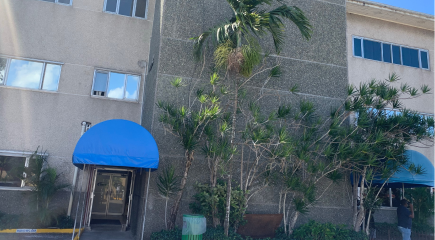
Nearshore
English-first member services and credit monitoring support in US time zones.

Offshore and AI lab
24/7 back-office processing, document handling, and ETSLabs engineering. SOC 2 attested controls.
Continuity is an operating choice
Breach response requires a vendor whose compliance record is unimpeachable. Every call is discoverable. Every agent statement is on the record. Etech is privately held, founder-led, and has carried the same compliance record since 2003. No private-equity ownership changes. No compliance resets. No re-training events caused by management turnover.
Speak with a breach response lead
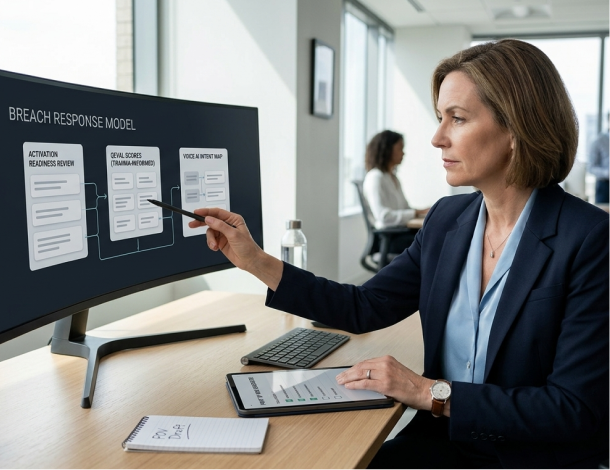
Activation readiness review. QEval trauma-informed scoring walkthrough. Voice AI intent map for enrollment and monitoring deflection. A breach response operations lead, not a sales coordinator, will walk through your model and send a concrete point of view inside one business day.