October 30, 2026
Who Controls What Your Kids See Online? The Growing Need for Child Safety on Social Media and AI
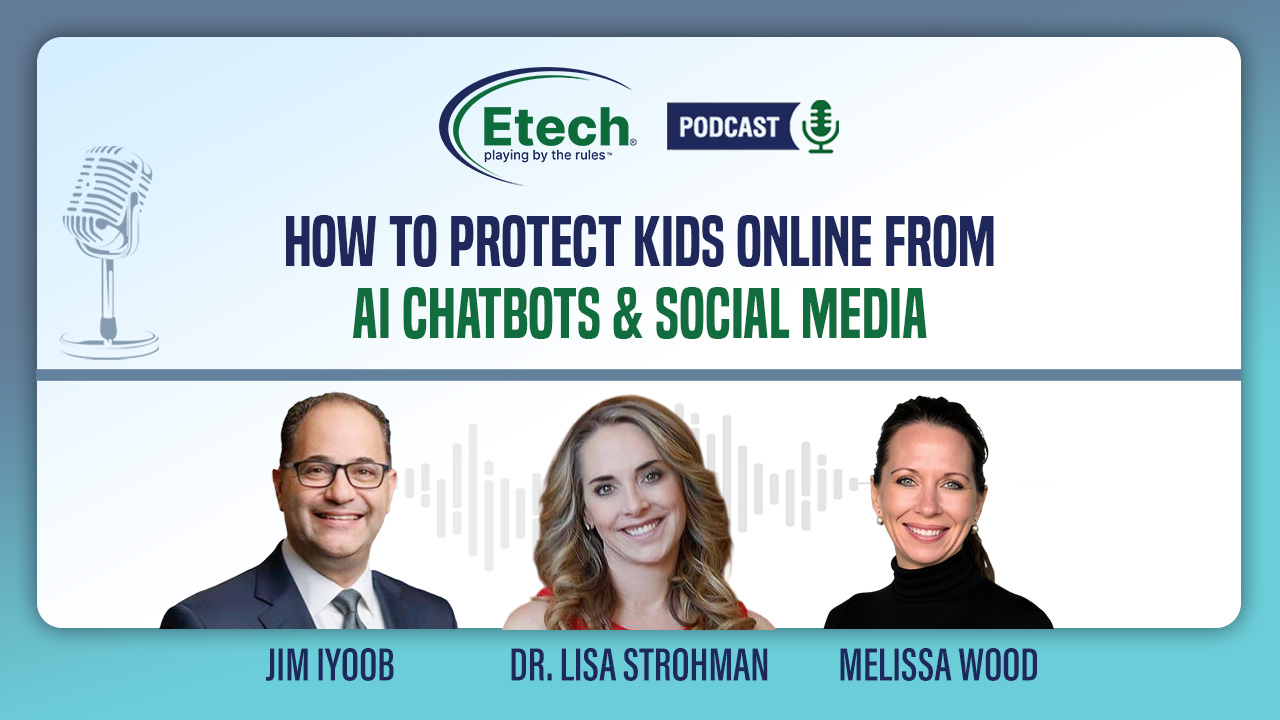


Children today have access to more than just social media. They interact with online games, AI chatbots, digital communities, and platforms that expose them to people and content parents may know very little about.
But here’s an important question: Who actually decides what your children can access online?
Is it the parents, the technology companies, or the platforms themselves?
Age verification is often presented as the answer to online child safety. But verifying a child’s age is only one part of the problem. The bigger question is whether the adult approving that child’s access actually has the authority to do so.
In this episode of the Melissa’s Muddy Boots Podcast, Melissa Wood and Jim Iyoob sit down with Dr. Lisa Strohman, clinical psychologist, attorney, former FBI intern, and child safety advocate, for their second conversation about protecting children online.
Building on their previous discussion about age verification, they explore why existing parental controls are falling short, how social media and AI chatbots are changing online risks, and why parents need more control over what their children can access.
Dr. Lisa also shares how her work with Rego Guardian aims to address this challenge through independent parent-child relationship verification, giving families a way to approve or revoke access without having to share their children’s personal information with every platform.
About the Episode
What if verifying a child’s age isn’t enough? What if we also need to verify who has the authority to approve their online activity?
In this conversation, Melissa, Jim, and Dr. Lisa look at the growing challenges of online child safety and why the current approach to protecting children needs to change.
Dr. Lisa explains how technology companies have approached social media safety and why she believes the same problems are emerging with AI chatbots. She also discusses the work behind Rego Guardian, a platform designed to help verify parent-child relationships and give parents greater control over their children’s digital access.
Together, they explore:
- Why age verification isn’t enough: Understanding the difference between checking a child’s age and verifying that the adult approving access is actually their parent or legal guardian.
- The growing risks of social media and AI chatbots: Why Dr. Lisa believes technology companies need stronger safety measures before children are exposed to potentially harmful online interactions.
- Why existing parental controls fall short: How monitoring apps, screenshots, and changing platform settings can leave parents with a false sense of security.
- How Rego Guardian works: How independent third-party verification, SDK and API integrations, and digital tokens can help platforms confirm parental authority without receiving a child’s name, birth date, or photo.
- Protecting children’s privacy online: Why collecting less personal information can reduce security risks and help protect sensitive family data.
- The importance of independent verification: Why platforms should not be responsible for verifying parental authority through systems they own and control.
- How parents can take action: Why building a community of like-minded parents and collectively asking technology companies to improve online safety can make a difference.
- What businesses can learn from child safety technology: How verified authority, data minimization, and domain expertise can shape safer AI systems and better technology solutions.
The conversation also looks beyond children’s online safety. Dr. Lisa explains how the same relationship-verification approach could help protect older adults from financial exploitation by ensuring that the person acting on their behalf has the proper authority.
Questions This Episode Answers
- Who should decide what children can access on social media and other online platforms?
- Is age verification enough to keep children safe online?
- Why are traditional parental control apps not enough?
- What are the risks of AI chatbots for children?
- How does Rego Guardian verify parent-child relationships and protect children’s privacy?
- What can parents and technology companies do to create safer online experiences for children?
Key Takeaways
- Verifying Age Is Only the First Step: Knowing how old a child is doesn’t tell us whether the person approving their online access has the right to do so. Dr. Lisa explains why verifying the parent-child relationship is an important part of creating safer online experiences.
- Parents Need More Than Traditional Parental Controls: Monitoring apps and built-in parental settings can be helpful, but they don’t always provide lasting protection. Dr. Lisa discusses how changing platform features and disconnected controls can make it difficult for parents to know whether their children are actually protected.
- Online Safety Must Include AI Chatbots: The challenges that emerged with social media are now appearing in AI. Dr. Lisa believes safety measures need to be built into technology before problems occur, rather than relying on companies to address harm afterward.
- Protecting Children Also Means Protecting Their Data: Rego Guardian is designed around a privacy-focused verification model. Instead of sharing a child’s name, birth date, or photo with every platform, it uses a verification token to confirm the necessary authority. As Jim points out, collecting less personal information can also reduce an organization’s exposure to data breaches.
- Independent Verification Builds Accountability: Dr. Lisa explains why a technology company should not be responsible for independently verifying the authority of the adults accessing its own platform. A neutral third party can provide an additional layer of accountability.
- Technology Companies Need to Build Safety Into Their Systems: Jim shares an operator’s perspective on why AI and technology solutions need to be designed with the right safeguards from the beginning. He also emphasizes the importance of bringing domain experts into the development process rather than trying to fix problems after deployment.
- Parents Have a Voice and Can Create Change: Dr. Lisa encourages parents to connect with others who share their concerns, put collective pressure on technology companies, and use the advocacy resources available through Rego Guardian to make their voices heard.
Quotes from the Episode
- “Age is a fact. Authority is the relationship.” – Jim Iyoob
- “It’s not about screen time. It’s about content that’s coming in and how it’s impacting the families and the communities.” – Dr. Lisa Strohman
- “Tech is a tool, not as a toy.” – Dr. Lisa Strohman
These thoughts bring the conversation back to an important point: keeping children safe online requires more than setting restrictions. It requires accountability, responsible technology, privacy protection, and parents having a meaningful say in what their children can access.
Meet the Leaders
Dr. Lisa Strohman: Clinical Psychologist, Attorney, Former FBI Intern, and Child Safety Advocate. Dr. Lisa works to protect children and families from the harmful effects of technology and online exploitation. She works with Rego Guardian, a platform focused on verifying parental authority and improving online safety.
Melissa Wood: Dean of Leadership Development, Etech Global Services
Jim Iyoob: President, ETS Labs and Chief Revenue Officer, Etech Global Services
Explore Rego Guardian: https://www.regoguardian.com/
Watch the Full Episode
Who should have the final say in what children see, experience, and interact with online?
As social media platforms, online games, and AI chatbots become part of everyday life, parents need more than the promise of protection. They need meaningful control, stronger safeguards, and technology companies willing to take responsibility.
Watch Melissa Wood and Jim Iyoob’s conversation with Dr. Lisa Strohman to understand why age verification alone isn’t enough, how verified parental authority could change online child safety, and what parents and technology leaders can do to make a difference.
▶️ Watch the full episode of Melissa’s Muddy Boots Podcast.
Subscribe to Melissa’s Muddy Boots Podcast for more conversations with leaders and experts sharing practical insights on leadership, technology, and the challenges that matter today.
