February 2026
How Middle Management Sets the Tone of Front Line Coaching
By Melissa Wood

The quality of front line coaching in any organization rarely happens by accident. It flows from a deliberate culture established by middle management. When supervisors, team leads, and department managers approach coaching with consistency and intention, that approach shapes how every conversation unfolds between front line leaders and their teams.
Middle managers occupy a position that is easy to overlook but difficult to overstate. They translate organizational strategy into daily practice. They model the behaviors they expect from others. And perhaps most importantly, they create the conditions under which front line coaching either thrives or struggles.
The Bridge Between Strategy and Execution
Front line employees experience their organization primarily through their immediate leaders. Those leaders, in turn, learn how to coach by watching and learning from middle management. This creates a cascading effect that can work for or against an organization.
Consider the difference between a middle manager who schedules regular coaching conversations with their supervisors versus one who only addresses performance when problems arise. The supervisors in each scenario will likely adopt similar patterns with their own teams.
Ask yourself:
- How often do you engage in structured coaching with your direct reports?
- Are your coaching conversations primarily reactive or proactive?
- Do your supervisors have a clear model to follow when they coach their teams?
The patterns you establish as a middle manager become the templates your front line leaders use, whether consciously or not.
Creating Psychological Safety for Coaching
Effective coaching requires a foundation of trust. Employees need to feel safe acknowledging areas where they can improve without fearing judgment or consequences. Middle managers set the tone for this psychological safety in several ways.
When middle managers openly discuss their own development areas and learning moments, they give permission for everyone else to do the same. When they respond to mistakes with curiosity rather than criticism, they model a growth-oriented approach that front line leaders can replicate.
Think about:
- When was the last time you shared a lesson learned from your own mistake with your team?
- How do you respond when a supervisor brings you a problem they are struggling to solve?
- Do your front line leaders feel comfortable asking for help with difficult coaching conversations?
The environment you create for your supervisors directly influences the environment they create for their teams.
Balancing Accountability and Support
One of the persistent challenges in coaching is finding the right balance between holding people accountable and providing the support they need to succeed. Middle managers who lean too heavily toward accountability create a culture of fear. Those who focus only on support may find that standards slip over time.
The most effective middle managers demonstrate how to maintain high expectations while genuinely investing in people’s development. They show that accountability and support are not opposing forces but complementary elements of effective leadership.
Consider:
- Are you clear about your expectations before holding people accountable for meeting them?
- Do you check in on progress or only address outcomes?
- How do you help your supervisors navigate the same balance with their teams?
Front line leaders learn this balance by watching how you navigate it yourself.
Investing in Coaching Skills
Coaching is a skill that requires development like any other. Middle managers set the tone by investing in their own coaching capabilities and by providing opportunities for their supervisors to develop these skills as well.
This investment takes many forms: formal training programs, peer coaching circles, observation and feedback sessions, or simply dedicating time to discuss coaching approaches and challenges. What matters most is that developing coaching skills is treated as an ongoing priority rather than a one-time event.
Reflect on:
- What have you done recently to sharpen your own coaching skills?
- Do your supervisors have access to coaching development resources?
- Is there regular discussion about coaching techniques and approaches within your team?
Organizations that prioritize coaching skill development at the middle management level tend to see stronger coaching practices throughout the organization.
Making Time for What Matters
Perhaps the clearest signal middle managers send about coaching is how they allocate their time. When coaching conversations are consistently deprioritized in favor of meetings, reports, or firefighting, front line leaders receive a message about what actually matters.
Protecting time for coaching demonstrates its importance more effectively than any policy or announcement. It also creates the space needed for thoughtful, developmental conversations rather than rushed interactions squeezed between other obligations.
Ask yourself:
- Is coaching time protected on your calendar, or is it the first thing to go when things get busy?
- Do your supervisors have adequate time to coach their teams effectively?
- What message does your time allocation send about the priority of developing people?
Time is perhaps the most honest indicator of organizational priorities.
“The quality of coaching at the front line reflects the quality of coaching in the middle. Leaders teach what they experience.”
Middle management is often described as the toughest role in an organization, caught between strategic directives from above and operational realities below. Yet this position also offers a unique opportunity to shape organizational culture in meaningful ways.
By approaching coaching with intention, middle managers can create ripple effects that improve performance, engagement, and development throughout the organization. The tone you set today becomes the coaching culture your front line leaders carry forward tomorrow.
At Etech Global Services, we understand that effective coaching starts at the middle. Our leadership development programs equip managers with the skills, frameworks, and mindset needed to build coaching cultures that drive results. When middle managers lead with intention, front line teams respond with engagement and performance.
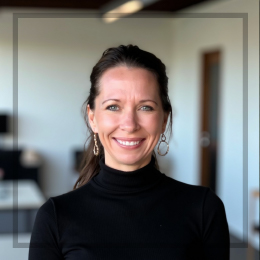
Melissa Wood, Dean of Global Leadership Development at Etech Global Services, brings over 27 years of leadership experience to her role leading all learning and development programs for Etech. A multi-national outsourcing organization with over 3,600 employees that provides world-class services to Fortune 500 companies from its locations in the US, Jamaica, and India. As an expert advisor in talent-related strategies, she plays a strategic role in aligning an integrated Leadership Development strategy with the company's mission and objectives through collaboration with key stakeholders.
